Every nightclub should be equipped with bartenders trained and have written alcohol guidelines. They should also have an experienced manager for each shift. In the employee handbook, these security measures can be seen as reassuring.
Imagine a Saturday night that is full of bartenders serving the same number of customers, while the floor manager manages a disturbance and customers ordering drinks from various locations. Who is accountable for recognizing when a person should not consume alcohol?
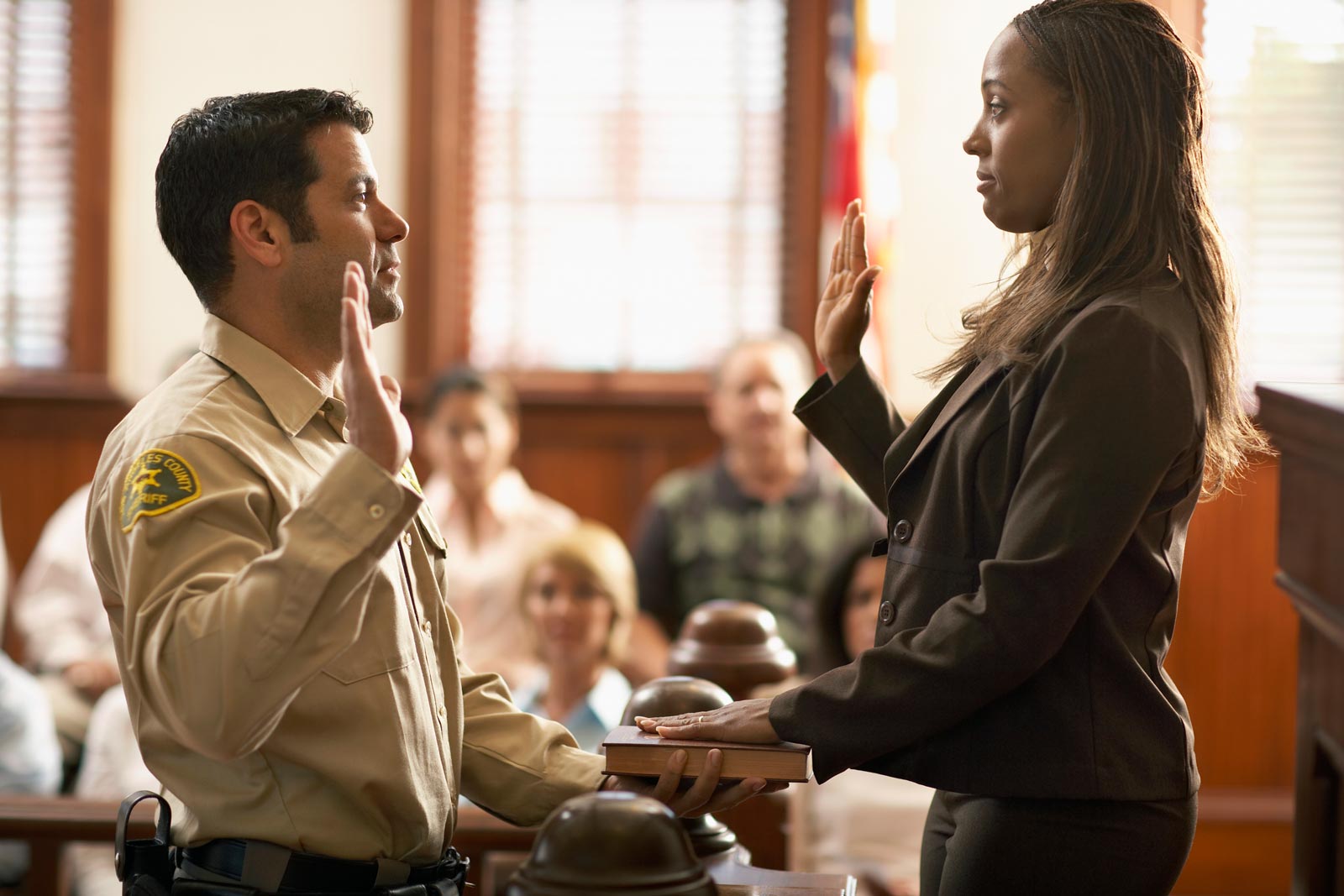
This type of question could reveal more in a dram store lawsuit, other than determining how many drinks were sold.
The first step in investigating overservice is to look at what the staff could see
A Dram Shop expert witness examines whether the alcohol-related decisions made by employees were in line with established industry practices and the circumstances employees actually faced.
An eventual drunkenness of a client does not, by itself, demonstrate that a bartender saw visible warning signs throughout service. The investigation should consider the manner in which the customer behaved and the time of service, the observations of staff, and available evidence.
Surveillance video may have employees engaging with each other, making unusual movements or unable to walk. The testimony of witnesses can give additional information, but their recollections could differ. It is crucial to differentiate between what investigators learned following an incident and what staff members could have reasonably expected to know at the time.
One Tab Doesn’t Signify One Drink
Interpreting point-of-sale reports requires knowledge of hospitality. A customer can buy several rounds of beer for friends. Bottle-service transactions may be performed by more than one person. Different bartenders could process orders without recognizing that another employee is serving the order.
Alcohol expert witnesses are able to examine the quantity of drinks consumed and transaction times along with surveillance videos and information on staffing in order to develop a better service timeline.
This type of analysis can reveal instances where employees were able to identify intoxication or intervene. It is also a way to pinpoint situations where evidence is not enough to determine who consumed certain drinks.
Training is only relevant when it Reaches the Floor
Although employee certifications are essential but they do not always accurately reflect the way an establishment was run during a specific shift.
An investigation may consider whether training was current, whether employees knew the correct procedures for intervention and whether management reaffirmed the policies of the establishment.
Preston Rideout brings approximately three decades of hospitality operations experience to this work, including bartending, nightclub management, and beverage-program consulting.
Based on his professional credentials In addition, he holds 112 certifications for seller/server that include 48 states and the District of Columbia.
This allows him to review the training his employees received and the operational decisions they faced. Bartenders, as an example might be able detect a behaviour that is troubling, but not have clear instructions on how to report it or contact management. The effectiveness of supervision may thus be as crucial as the employee’s individual actions.
Insurance investigations may pose similar Questions
Expert witnesses in Liquor Liability usually answer the same operational issues for insurance companies, coverage counsel and defense lawyers. Even though the language could differ however, the fundamental issue that is being investigated concerns the conduct of staff and alcohol service.
A detailed review could comprise incident reports and written policies. This could also include videos, employee schedules or certification records. The responsibility of the expert is not to automatically support the party that is keeping them. It is to explain what evidence is in support and to identify industry practices that are relevant, and acknowledge meaningful limitations.
Experience explains the reasoning behind the records
Rideout has testified in alcohol-service and hospitality cases in eleven states, working as both defense and plaintiff counsel.
His analysis includes bars, nightclubs and hotels and resorts, as well as casinos and other places where alcohol is frequently served. Every setting presents its own distinct structure of staffing and challenges for supervisors.
A bartender in a restaurant’s small dining area might be better able to observe clients than an employee of a counter service at a nightclub. Understanding the distinctions will help you place evidence in the right operational context.
Trustworthy opinions can’t fill in holes with assumptions
Dram shop laws differ depending on location, and the operational expert testimony cannot be confused with a legal determination of liability. The most accurate analysis will reveal the activities of the employees and what recognized practices were required, and what conclusions can be based on the evidence.
Sometimes, records reveal a deviation from the established procedure. In other cases, they reveal that employees followed proper methods or left critical questions unanswered.
This distinction is important for attorneys who are evaluating cases involving alcohol. A reliable expert opinion can do more than describe the incident. The court is able to understand how decisions were made within the institution, even if no one could predict what the outcome would be.