Patent drawings and illustrations play a crucial role in the world of protection of intellectual property. They serve as a counterpoint to the terms that make up the core of the patent system. The saying “A picture is worth a words” is a fact. In this instance, a high quality patent design is even more.
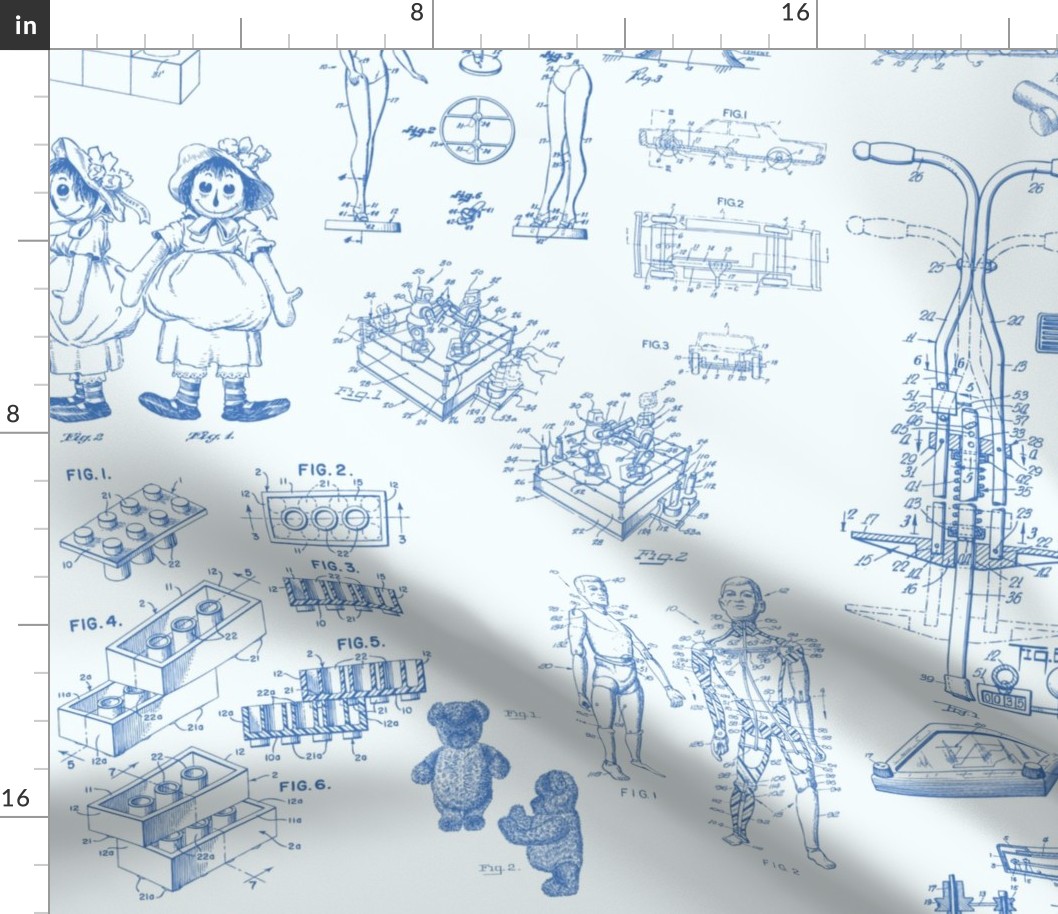
The need for clarity and precision is crucial when it is about patents. Precision and clarity are crucial when it comes to. Patent applications are filled to the brim with technical language. They also contain complex descriptions of inventions that can be difficult for a normal person to decipher. Patent drawings are the unsung heroes in this regard. They function as a visual link between the intricate technical details and a simple depiction of the concept.
Imagine that you’ve created an amazing device made of multiple components. You’d like to protect your Intellectual Property. It might not be feasible to describe your invention in depth with a written description. This is where a meticulously created drawing of your patent is essential. It is an image representation of the invention and complements the written description.
A talented illustrator is behind each outstanding patent drawing. The person who is the illustrator has an uncanny ability to bring ideas to life with visual art. They are much more than just artists. They are professionals in the science and art of converting complex concepts into visual form.
Illustrators are crucial when it comes to patents to ensure that inventions are accurately represented. Illustrators must be able to translate the technical details of an invention into images easy to comprehend by patent examiners, lawyers and others who review the application. Illustrators can create the best visualization of an invention, whether it is a mechanical device or chemical formula.
The Precision of Draftsmen
While illustrators bring an artistic flair to patent drawings, draftsmen bring precision and accuracy. Draftsmen are often the unsung heroes of the world of patents, tirelessly creating drawings that follow the strict guidelines set by the United States Patent and Trademark Office (USPTO) as well as other patent offices around the world.
Draftsmen are experts at producing technical drawings that satisfy the requirements of patent applications. These drawings are required to be well-detailed, properly labeled and also conform to the standard formats prescribed by the patent offices. It’s not just about aesthetics of their work; they must also ensure that all requirements are adhered to.
A Wide Range of Services
Patent drawings and illustration services cover a wide range of offerings to cater to the diverse needs of inventors, business and intellectual property professionals. Here are a few essential services that are offered in this area:
Utility Drawings They depict how an invention functions and is made.
Design Drawings when it comes to protecting the aesthetic or ornamental elements of an invention, drawing designs are vital. Drawings for design are more focused on aesthetics rather than functionality.
Trademark Drawings: for businesses who want to safeguard their brand logos and trademarks Illustrators design trademark designs that capture the essence of the brand’s image.
Trade Dress Drawings Much like trademark designs, these drawings emphasize the distinctive visual qualities of a product, packaging or brand. They help businesses protect their distinctive look.
Patent drawing services can include photo cases and other services: When real-world photos are necessary to show an idea or invention, they may be integrated into the patent application.
Navigating the Strict Guidelines
Patent drawings are not something that you should do lightly. USPTO guidelines as well as the guidelines of the other patent offices need to be followed. These guidelines establish the format dimensions, sizes and styles of patent illustrations, ensuring uniformity across applications.
Drawings, for example are required to be white and black with the least amount of shading. To ensure consistency and understandability line thickness along with labeling and numbering have to adhere to specific standards. Failure to adhere to these guidelines could result in delays during the approval process for patents, or even rejection of the application.
Conclusion
In the worlds of patents, words and images are intertwined. Patents are written descriptions of inventions, but they reach the highest level of clarity and comprehension through illustrations and drawings. The experts who create these drawings, which include artists, draftsmen and illustrators transform complex concepts into visual illustrations.
Illustration and patent drawings are beneficial to inventors seeking to protect their inventions, as well as businesses who want to safeguard their brand identity. These services offer a variety of products including utility drawings and trademark illustrations to ensure that every aspect of innovation is adequately illustrated.
The artistry of illustration and patent illustrations isn’t just about aesthetics. It’s additionally about the capacity to overcome the gap between complex concepts and clear, concise representations, which enable effective communication in the world of patents. In this world where a patent’s design can make the difference between success and obscurity the importance of a well-crafted patent illustration cannot be overstated.