Emergency medical services (EMS) is a vital and noble profession, offers the opportunity to earn a living helping people and providing vital medical care. You’re entering a field that provides tremendous growth opportunities and there is a huge demand for skilled professionals. This article will guide you through the steps to becoming an EMT or paramedic, and will help you explore all of the options for training that are readily available.
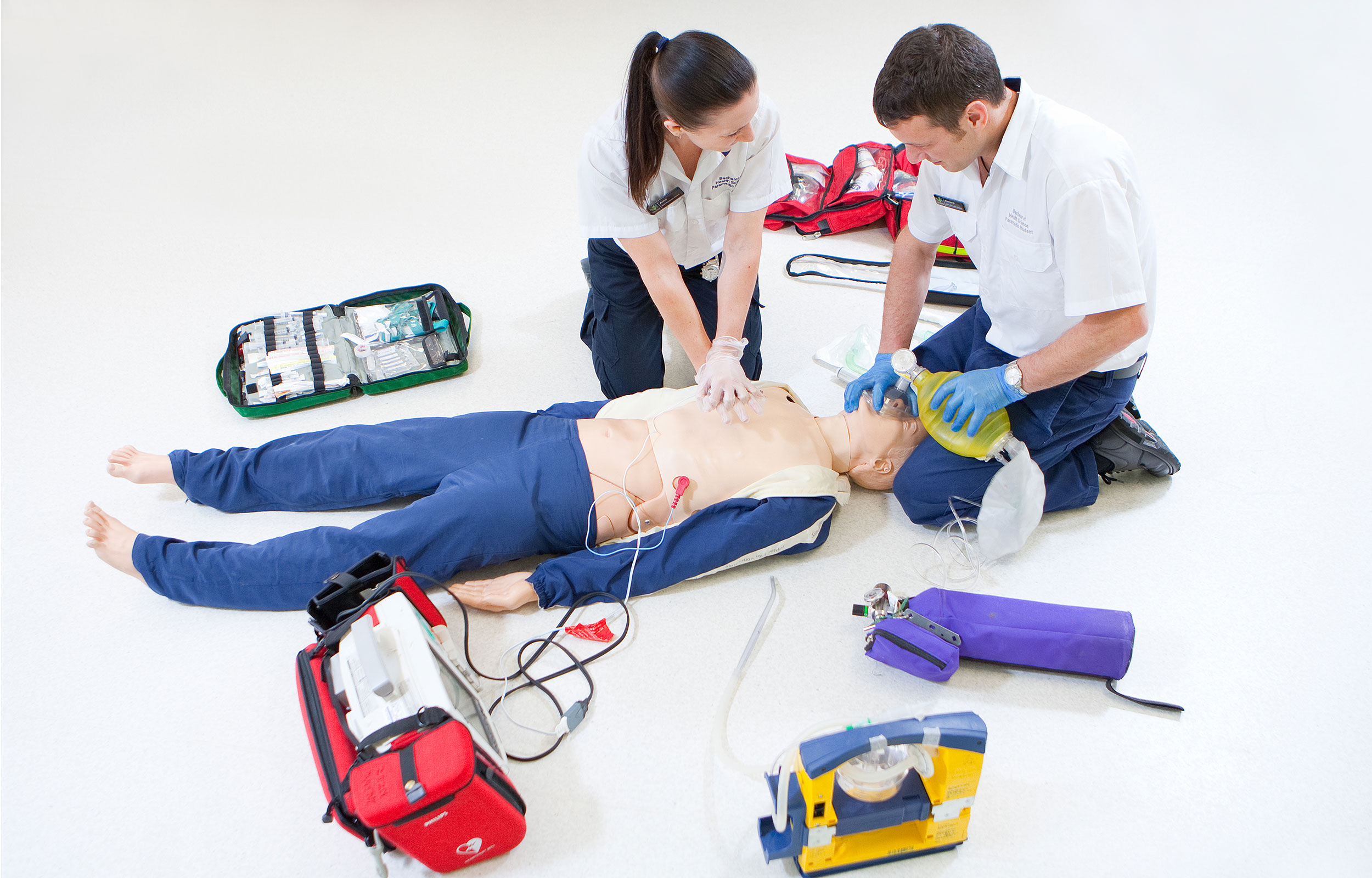
Understanding the importance of EMTs & Paramedics
Emergency Medical Technicians commonly referred to paramedics or EMTs are the first responders to emergencies. They are able to provide immediate help. They are certified to assess patients, administering essential medical procedures and transporting patients in a safe manner to medical centers for further treatment. Paramedics, EMTs and other medical professionals play an essential role in stabilizing a patient in an emergency and making quick, decisive choices, and providing compassionate care to patients who are suffering.
Step 1: Becoming an EMT:
To be an EMT In order to become an EMT, you have to finish the necessary educational and training program and certifications, which may vary based on the level of certification you aspire to achieve. Three levels of EMT Certification are offered:
1. EMT-Basic (EMT-B) EMT-Basic (EMT-B): This is the first-level certification that needs between 100 and 150 hours of instruction. EMT-Bs are trained to provide basic medical treatment such as CPR and bleeding control and basic airway management.
2. EMT-Intermediate (EMTI) is a level which requires more education. The amount of training required varies from one state to another. It is possible to combine this level with EMT B in certain states however it can also require between 200 and 400 hours of training. It also includes intravenous treatment and expanded capabilities in medical.
3. EMT Paramedic (EMT P) EMT-P is the highest level of certification for EMTs. The education required to obtain this certification usually runs from 1000 to 1,800 hrs. Paramedics can perform advanced medical procedures including administering medication, interpreting EKGs and advanced airway management.
Step 2: Pursuing Paramedic Certification:
If you’re looking to become a paramedic, you have to first complete the EMT-B or EMT-I level and get some practical experience. After that, you can join a paramedic training program that typically takes one to two years to complete. This comprehensive program will instruct you on advanced medical topics, and will equip you with the necessary skills and experience to handle critical circumstances independently.
Step 3: Looking into EMT Optional Training:
You have several options when it comes to EMT certification, based on the level you’d like to achieve. EMT courses are usually offered through medical trade schools and community colleges that cater to all certification levels. These programs offer a blend of classroom instruction, hands-on training and hands-on training in both field and clinical environments.
Also, if you’re in the market for a more thorough and comprehensive EMT program that can lead to a degree, colleges and colleges could offer EMT training at the EMT-Paramedic level. These programs will give you the most thorough understanding of emergency medicine, which will allow you to make more informed medical decisions and better care for patients.
Step 4: Ensure DSHS Approved EMS Training:
If you’re considering becoming an EMT or paramedic, it’s essential that the training program that you select be DSHS-approved. The Department of State Health Services accepts EMS programs to make sure they are in compliance with the highest standards of competence and training. By enrolling in a DSHS approved EMS training course, you can rest assured that you are receiving top-notch instruction and meeting the necessary requirements for certification.
Paramedics and EMTs are both highly sought-after careers. EMTs as well as paramedics and other emergency responders play an a crucial role in providing medical care and rescuing lives in emergency situations. To embark on this lifesaving journey, EMTs and Paramedics are required to complete the necessary education and training. According to the level of certification desired, individuals can choose from a variety of EMT options for training, such as medical trade schools, and university programs.
When considering choices for training, it is essential to ensure that the chosen EMS training course is DSHS certified by DSHS. If you do this you can ensure that you are receiving quality education that meets the necessary standards to obtain EMT as well as paramedic certificates.
As the demand for qualified emergency medical professionals is on the rise and increase, a career in EMS offers abundant job opportunities as well as the chance to make a profound impact on the lives of others. If you’re an EMT Basic or you want to become a paramedic, your commitment to critical medical care will pay off with an exciting and rewarding career in emergency services.