Connected devices have become a vital component of modern businesses. They are able to collect data, automate processes and enable smart operations. The administration of a fleet of devices across multiple locations, particularly when they increase in size, can be a challenge. The operation of devices demands constant attention, expertise in technology as well as security compliance. This includes updates to software as well as system monitoring and performance optimization. This is where a structured managed service approach transforms complex into simplicity.
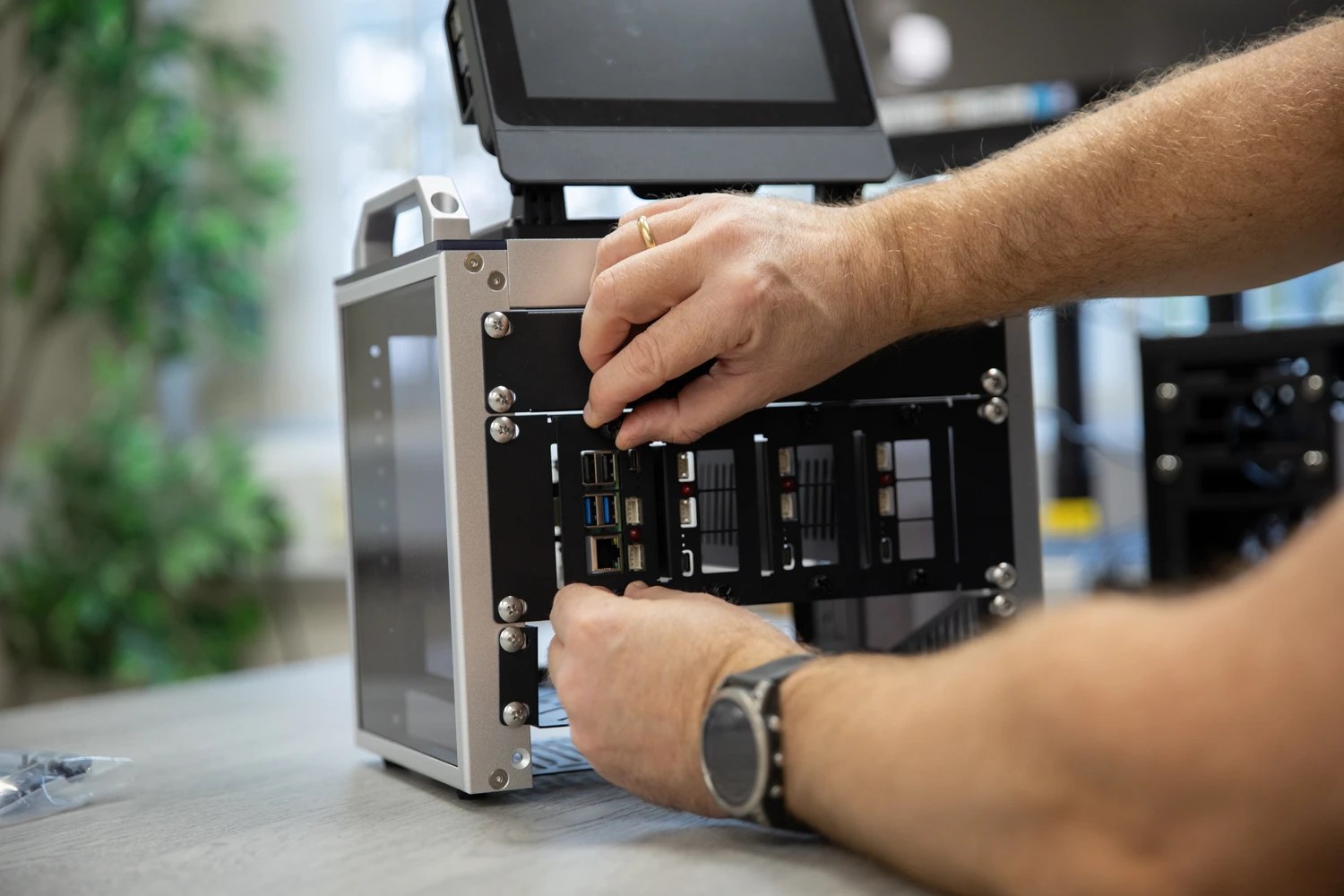
Organizations begin their search for Raspberry device software for free to cut down the initial cost. While these free programs offer access to remote devices and basic monitoring however, they lack the management capabilities required for enterprise-grade deployments. As networks of devices grow enterprises require more than dashboards and manual controls. They need an integrated system that handles provisioning and security hardening and monitoring performance and reporting on compliance.
Internal staff is relieved of the burden of daily operations thanks to a fully-managed infrastructure. Businesses can concentrate on advancing their business and growing instead of tackling issues, patching or responding to problems. Each device is set up and deployed under an environment that guarantees security and stability. This system reduces downtime as well as preventing security flaws caused by misconfigurations or neglected updates.
A Partnership Model for Scale
The most successful IoT ecosystems are not built in an isolated manner. They require thoughtful planning, intelligent architecture and continuous improvement. An experienced Raspberry Pi partner with experience in the field will ensure that the hardware, software, and system’s structure are set up to meet the operational objectives. This type of partnership instead of treating deployments as only a single-time event, provides a foundation that can be scalable to meet the requirements of business.
Each managed services contract is customized to each customer’s needs, such as the integration of hardware platform management, as well as technical assistance within one operating agreement. This unified structure eliminates vendor division and streamlines communication. The business gains named technical contacts, service level agreements and transparent reporting to keep all stakeholders updated, without adding administrative complexity.
Standardization of the provisioning process and configuration process ensures uniformity in every location. Each device is constructed after which it is tested and registered prior to deployment, ensuring that it is in a consistent state from the very first day. Continuous telemetry provides real-time insight about the health of your device and stability of apps. Engineers can detect problems and block system breakdowns before they become a problem.
Operational Excellence Through Continuous Management
The importance of proactive maintenance is greater than reactive troubleshooting to ensure a reliable IoT environment. Managed patches and updates ensure that operating system and applications remain secure. Updates are thoroughly tested prior to deployment to avoid interruptions, ensuring uptime across networks distributed.
Compliance requirements are also built into the operation workflow. Reporting mechanisms are aligned to regulations. This framework eases the burden of audits as well as improves cybersecurity posture.
Managed services can be even more useful when they incorporate lifecycle optimization and performance optimization. Regular system reviews identify potential for upgrades to hardware and energy efficiency improvements and workload balanced. Instead of waiting for devices to fail or become obsolete, infrastructure is designed to be built in tandem with the growth of the organization.
Seamless Integration Cloud and Edge Technologies
Modern deployments require a tight integration of edge hardware with cloud ecosystems. Expert Azure IoT consultants help businesses securely connect devices to cloud platforms, while optimizing analytics workflows and automation capabilities. The synergy between physical infrastructure and cloud-based intelligence allows the ability to make better decisions and improve operational efficiency.
Professional IoT consulting also ensures that monitoring platforms, security protocols, and data governance frameworks work cohesively. Engineers monitor the performance of systems around 24/7, addressing any issues before they cause disruption to operations. The ability to scale support allows organizations to expand with confidence with the knowledge that technical expertise will grow alongside their device fleet.
Simple: the goal is for advanced edge systems to appear seamless. Scaler PI makes advanced edge technology more easy to use through a combination of practical hardware expertise with cloud-based technology of the future making it a simpler environment where data, devices and operations can work seamlessly.
Manage devices with greater efficiency
Managed Services create a single accountability point for design, monitoring and service. The ability to predict pricing eliminates budget surprises, while continuous monitoring and automatic updates reduce operational risk. Business owners can rest assured that their infrastructure is in compliance and running at its peak.
As IoT ecosystems continue to expand, the need for reliable operating frameworks will become more essential. A complete managed service can ensure the devices’ networks are reliable secure, secure, and up-to-date that allow organizations to be innovative without being hindered by infrastructure management.