The color can be just what the buyer wanted, but several hours in the wig exposes a problem with cap comfort. A second buyer likes the convincing hairline, yet would rather avoid twenty minutes of lace adjustments each morning. The wig looks beautiful, but a different buyer finds the fullness of the hair heavier than imagined once it is worn.
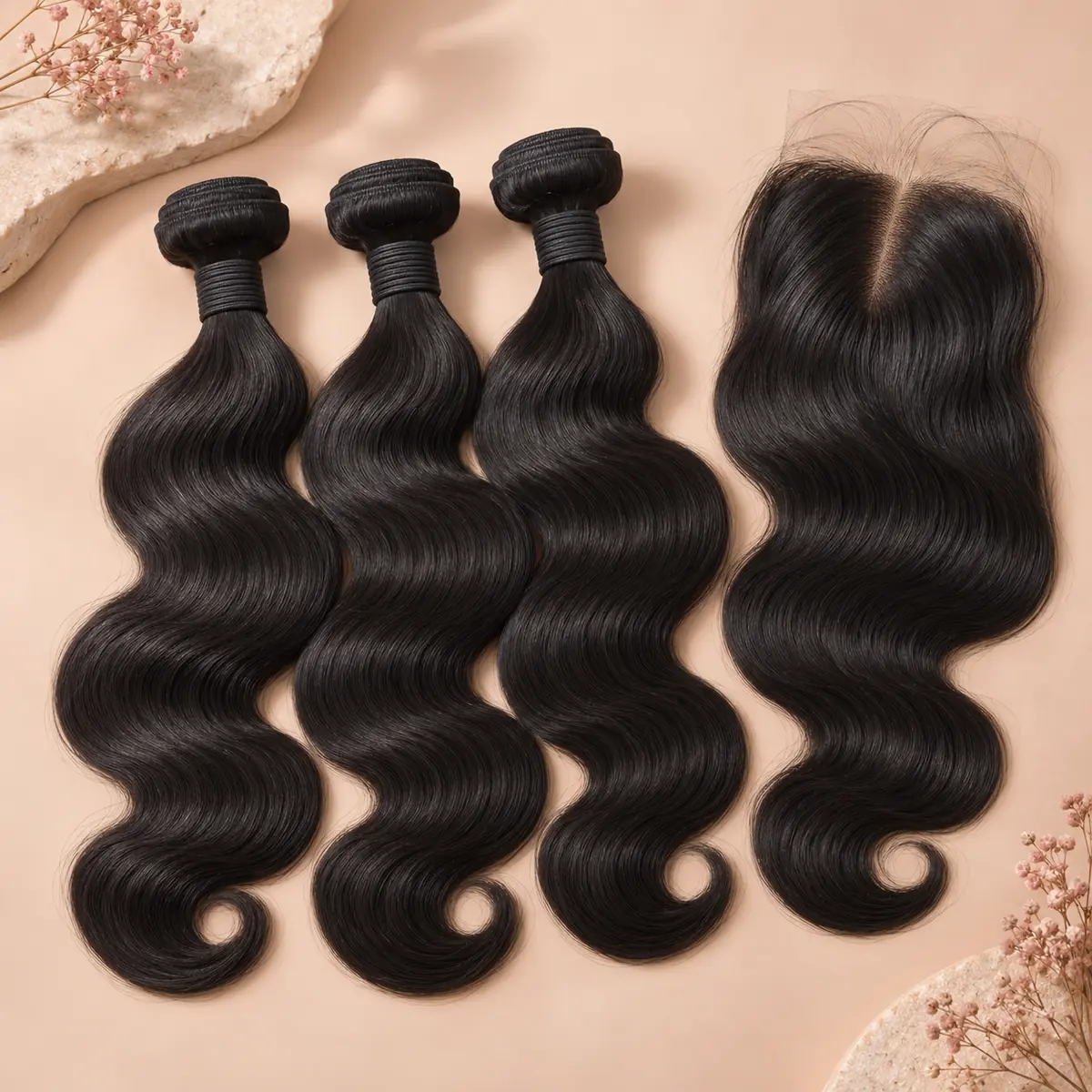
Image credit: vayorahair.com
There is more meaning in these comments than a wig brand might initially see. The possibility is to turn these insights into products that people really want to wear.
The latest trending hairstyle is not necessarily the basis of a successful wig collection. The foundation is a clear understanding of the wearing experience that buyers want.
Explore the Problems Behind the Purchase
Customers rarely describe their needs using manufacturing terminology. How comfortable the wig feels, how convenient it is to use, how it looks and how confident the wearer feels are what customers discuss. A request for an easier morning routine might point toward a glueless construction. Complaints about an unnatural hairline could indicate that lace appearance, knot treatment, density, or parting design needs attention.
Translating wearing concerns into measurable design criteria is a capability to look for in a human hair wig manufacturer China brands choose.
A request for a 22-inch body-wave wig can go well beyond length and texture: buyers can specify the desired wearing experience, cap fit, lace construction, hairline appearance, and finished weight. The development team benefits from having a more clearly defined target.
Give Your Private Label Range a Recognizable Identity
Rather than defining their own range, many emerging brands follow the products currently in demand. Such an approach can leave the brand with a range that closely resembles competitors’ offerings.
Choosing a private label wig manufacturer China retailers can work closely with gives brands an opportunity to strengthen a more consistent product identity. A brand could focus on lightweight daily-wear wigs, a premium range with realistic hairlines, or ready-to-wear styles for customers who prefer little preparation. The shared customer commitment should guide texture, length, color, density, cap construction, and packaging. When a range has a consistent character, customers have a reason to return that goes beyond a short-term discount.
Glueless Design Go Beyond a Name
Although the word “glueless” suggests simplicity, the experience of wearing the wig depends on a range of construction details. To understand fit, consider adjustment features and cap sizing, attachment components, lace preparation, and hairline design. All influence comfort and security.
Establishing these design requirements before production is something a glueless wig manufacturer China buyers work with should assist with. A brand serving first-time wig users, for instance, might focus on manageable density, pre-cut lace, and straightforward adjustment features. By contrast, a range for professional hair stylists may call for different customization options. One approach is not automatically preferable than the other. The two approaches address the needs of different customers.
The Role of Sampling Helps Protect a Brand
There are aspects of a wig that cannot be assessed from an image alone. Buyers need to examine how the cap fits, how the hair moves, whether the color matches expectations, and whether the finished construction reflects the approved design. Before a larger order is placed, sampling can help reveal departures from expectations.
For a wholesale human hair wigs supplier, documented specifications and quality-control procedures are especially important when the same style must be produced repeatedly. The success of the first batch may be challenging to replicate without clear references.
Develop a Wig Collection Designed for Growth
For B2B wig brands, retailers, and distributors, VAYORA supports product development, private label services, sampling, specification control, and repeat-production workflows. The focus is on aligning what wearers expect with the construction details responsible for how the wig looks, fits, and feels.
Prior to expanding a product range, brands should study customer feedback, identify their strongest product opportunities, and set clear approval standards. The next collection’s success may have little to do with the number of additional styles. It may require fewer compromises in the styles customers already want.