It’s not that hard for a pump station’s stoppage in functioning to be troublesome. It might still be able to move wastewater or stormwater every day and yet be unable to cope with high demand, require more frequent maintenance or depend on controls that are getting harder to support. While the equipment is operational, its original design might not be suitable for the current climate.
Understanding this distinction is crucial for municipal officials, developers and facility operators when planning improvements to infrastructure.
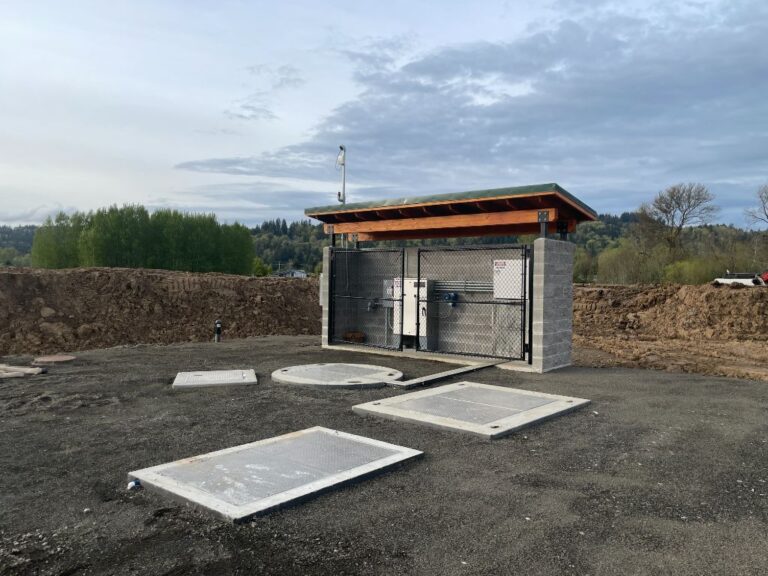
Image credit: romtecutilities.com
You need to look beyond the equipment that is malfunctioning.
Retrofitting the wastewater lift station ought to begin with a thorough evaluation of the entire system and not just the pump that is malfunctioning. Engineers must evaluate the water well, mechanical equipment as well as electrical components, controls, discharge pipe, and the requirements for current pumping.
The state of the well is of particular importance. If the structure of the wet well is still sound then you might be able to upgrade it with new equipment, while maintaining its current structure. This will reduce the amount of construction needed in comparison to building a new station. It is crucial to maintain existing infrastructure if the improvements can be made.
Have the boundaries of the Service Area been changed?
A water treatment plant built a few many years ago can now provide additional homes, commercial buildings, or industrial operations.
These changes can have an impact on the flow rate and demands on operations. A successful rehabilitation of a lift station requires more than restoring the original specifications for the equipment. Engineers must evaluate the current and anticipated flows, head dynamics capacity of equipment, as well as operational reliability.
The answer may not be a bigger pump. The new machine must be compatible with existing piping electrical supply, controls and other components. If one component is improved, it can cause problems with other parts.
The priorities for retrofitting stormwater systems are different
Retrofitting a stormwater pumping station adds more considerations as the runoff may change drastically with rainfall and surrounding development. The pattern of inflow at a station that serves an area for detention could differ from one that gets water directly from the storm drain. The changes in drainage infrastructure like new pavement or expanded parking lots, may affect the frequency and quantity of water that can be allowed to flow into the station.
Before recommending a stormwater station upgrade, engineers should review the contributing drainage area, expected peak flows, storage capacity, discharge conditions, and existing pump performance.
These results can help determine whether modernization of equipment is sufficient or if the station needs more extensive reconstruction.
Plan Construction Before Interrupting Service
How the station will operate during rehabilitation is a question that is often ignored. Wastewater systems generally cannot be removed without a plan for ongoing flow control.
The construction could include temporary bypass pumps as well as the construction of a new infrastructure with an operating station, in accordance with the space available and the requirements of the project.
The stormwater project also requires careful scheduling due to the fact that the system could be needed during unexpected rainfall. A comprehensive engineering plan must address installation sequencing and temporary operations, as well as installation integration, and commissioning, not only the replacement of the components.
Making the completed system simpler to use
Romtec Utilities is a provider of site-specific engineering as well as supply and solutions for wastewater and Stormwater Pumping Applications.
The retrofit process evaluates the mechanical, structural, electrical, and communication components will remain, and which ones require replacement. The company provides owners with preliminary plans and estimates for budgets to assist them in evaluating their alternatives for their projects.
Following installation, tests for startup, commissioning, operator training and maintenance documentation help establish that the upgraded station performs in accordance with the specifications of its design. A successful rehabilitation effort should leave operators with a system they are able to maintain and understand.
Upgrade the System, Not Only Its Age
A pump station that’s older may not have to be completely replaced. There are some structures that have years of useful service remaining, even if their electrical and mechanical equipment needs modernization. It is crucial to decide the items that can be preserved safely and economically, while making sure that the final product is compatible with future and current demands.
By examining operating conditions, the structural integrity, hydraulic requirements, and the construction limitations together, owners can make more informed investment choices.
The aim isn’t just to make an old station perform again. The goal is to ensure that the newly upgraded system can take on the new work.