The design would be simpler if water was flowing exactly at the same time.
It doesn’t.
The amount of wastewater that flows into a household water system can change throughout the day. Industrial and commercial facilities could experience operating peaks. Stormwater flow is affected by weather conditions. Demand for clean-water can fluctuate dependent on the use.
It’s not enough to select equipment that can meet a certain flow rate when designing the pumping station. Engineers should be aware of the environmental conditions that the system will be exposed to.
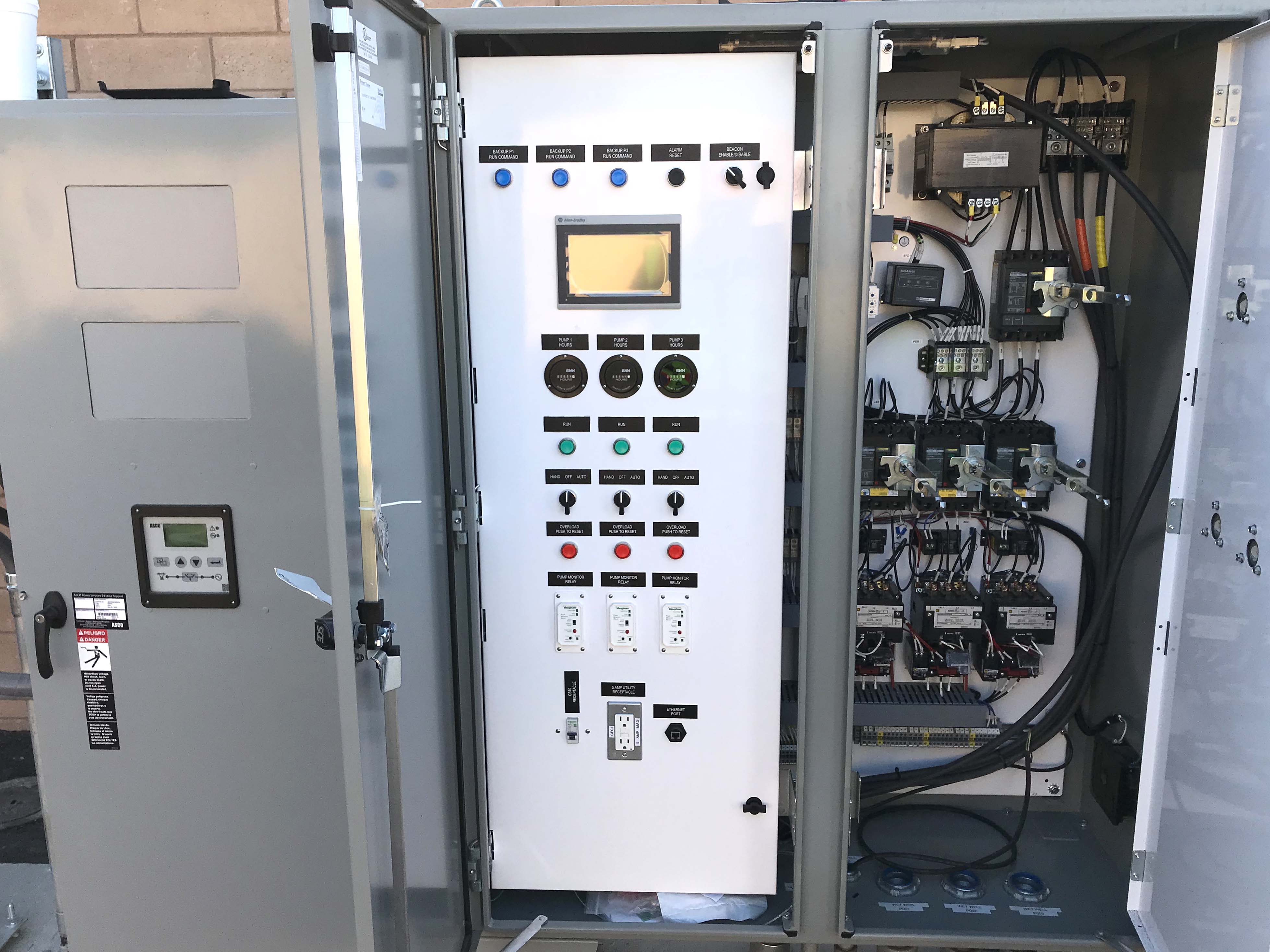
Image credit: romtecutilities.com
Consider operating conditions, Not Just Maximum Capacity
It’s obvious that maximizing flow is an essential element however it is only an aspect of the operation of an installation. Imagine that a system for wastewater treatment was created to handle a large peak flow. The majority of the time the flow inflow could be significantly lower. During normal operating hours however, the station will be able to function properly.
This raises questions regarding wet well size, pump operation and controls and head conditions, as well as how equipment will react to a changing demand.
A properly engineered package pumping system brings these considerations together around the actual requirements of the site instead of treating maximum pump capacity as the entire design objective.
The Routine for Wastewater
The conditions that flow through a wastewater liftstation serving households as well as businesses or municipal infrastructure may change during the course of the operation.
The system must collect wastewater and activate its pumps according to the established control plan for the station. This requires the structural dimensions pumps, valves, pumping gear and piping as well as electrical components.
The design may also include factors specific to the area. Romtec Utilities can incorporate auxiliary systems such as grinder vaults and odor-control equipment in the event that they are required by the particular application. This creates a station that is designed specifically for the needs of the project, rather than being a standard design that is applied to all wastewater sites.
Stormwater Changes More Rapidly
Stormwater has a distinct kind of operating environment. The stormwater stations may be quiet during dry conditions, but then experience a large inflow of water following a severe weather event. It could be part of a larger flood control treatment, detention or drainage strategy, making the stormwater plan surrounding it an integral part of the design.
When designing these systems Romtec Utilities considers a variety of variables, including the flow rate that is required, head condition, dimensions of the system, site requirements and environmental concerns.
Stations that serve commercial developments could look very different than the ones designed for municipal stormwater use.
Both head conditions and flow are important
Engineers must also know what direction the water is headed and what resistance they will have to overcome. Engineers also need to know where the water is going to go and the level of resistance required by the pumping system.
Changes in elevation, piping configuration discharge conditions, and other system parameters contribute to the head conditions against which pumps function.
The connection between flow and head is one reason simply choosing an appropriate pump based upon a capacity rating isn’t enough. The design and technology of the pump should be able to meet the requirements of hydraulics of the particular application.
Design the station for the conditions it is likely to encounter
Romtec Utilities creates customized pumping system for wastewater, stormwater and clean water applications. They also design and develop systems for industrial, booster and other purposes. The process includes preliminary design budgeting, planning sets, budgeting systems, supplies for the system, documentation, startup and testing.
The idea behind the design is simple: pumping systems do not spend their entire lives working under one set of convenient conditions.
They face changes in flows, demands, and project-specific hydraulic demands. This reality is something to consider when designing a station that is successful.